 Save
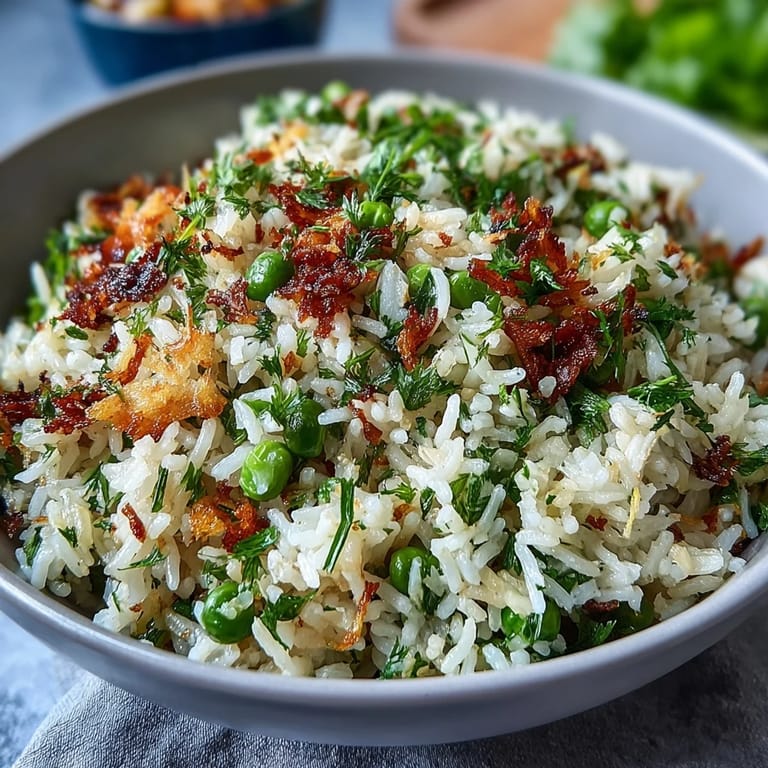
Save There's something about the first warm weekend in spring that makes you want to cook something green and bright. I was standing at the farmers market last April, surrounded by bunches of fresh mint so fragrant they practically announced themselves, when I realized I'd been making rice pilaf all wrong—too heavy, too boring. That afternoon, I decided to chase the season itself: sweet peas, that grassy mint aroma, a whisper of lemon. The result was this pilaf, which has since become my answer to every "what should we serve with that?" question.
I made this for a potluck dinner where I was genuinely nervous about being overshadowed by everyone else's showier dishes. But something magical happened: people kept coming back for more, and more than one person asked for the recipe before dessert was even served. That's when I knew this humble pilaf had earned its place in regular rotation.
Ingredients
- Long-grain white rice (1 cup): Basmati or jasmine rice stays separate and light rather than clumping together—the grains stay distinct and let the flavors breathe.
- Low-sodium vegetable broth (2 cups): This is your liquid foundation; low-sodium lets you control the salt and prevents that over-seasoned taste that ruins so many pilafs.
- Fresh or frozen spring peas (1 cup): Frozen peas are honestly just as good as fresh here and require zero extra work, though fresh ones do add a tender sweetness if you can find them.
- Yellow onion (1 small, finely chopped): The gentle sweetness of yellow onion pairs perfectly with the mint, and chopping it small ensures it softens quickly into the rice.
- Unsalted butter (2 tablespoons): This is non-negotiable for toasting the rice and building the aromatic base—it's where the whole dish starts.
- Garlic (2 cloves, minced): Just enough to add depth without overpowering the delicate flavors; too much garlic will steal the spotlight from the mint.
- Fresh mint leaves (1/2 cup, finely chopped): Mint is the star here, so don't skimp and don't use dried—fresh mint added at the end keeps that bright, alive quality.
- Fresh flat-leaf parsley (2 tablespoons, optional): A little parsley adds color and a subtle earthiness that makes the mint shine even brighter.
- Lemon zest (1 teaspoon): This is the secret weapon—it adds a whisper of brightness without moisture, tying everything together.
- Salt and black pepper: Always taste at the end and adjust; your broth might already be seasoned, so start conservative.
- Lemon wedges (for serving, optional): A squeeze of fresh lemon at the table lets people customize the brightness to their taste.
Tired of Takeout? 🥡
Get 10 meals you can make faster than delivery arrives. Seriously.
One email. No spam. Unsubscribe anytime.
Instructions
- Rinse and drain your rice:
- Run the rice under cold water and stir it gently with your fingers until the water runs completely clear—this removes the starch and prevents the grains from sticking together. It's the step that separates fluffy pilaf from gluey rice.
- Toast the aromatics in butter:
- Melt the butter over medium heat and add your chopped onion, letting it soften for 2 to 3 minutes until it turns translucent and sweet-smelling. Once the garlic goes in and you smell that toasted fragrance, you're 30 seconds away from the next step.
- Coat the rice in butter:
- Add the drained rice and stir constantly for about a minute so every grain gets coated and lightly toasted—you'll hear it click against the pan and smell a gentle nutty aroma. This step is what gives the pilaf its light, individual texture.
- Build your cooking liquid:
- Pour in the broth, season with salt and pepper, and bring everything to a boil over medium-high heat. Once it's boiling, you'll see the liquid level drop noticeably as the heat penetrates the rice.
- Simmer covered on low:
- Reduce the heat to low, cover the pan with a tight-fitting lid, and let it cook undisturbed for 15 minutes. Resist the urge to peek or stir—the steam is doing all the work.
- Add the peas and finish cooking:
- Stir in the peas (frozen peas can go straight from the freezer), cover again, and cook for another 5 minutes until the rice is tender and the liquid has been absorbed completely. You'll know it's done when you don't see any liquid pooling in the bottom of the pan.
- Rest and fluff:
- Remove from heat, keep the lid on, and let it sit for 5 minutes—this final rest allows the rice to set gently. Then fluff everything with a fork, breaking up any clumps.
- Finish with fresh herbs and zest:
- Stir in the mint, parsley if you're using it, and lemon zest, folding them in gently so the mint stays bright and doesn't bruise. Taste and adjust the salt and pepper, then serve warm with lemon wedges on the side.
 Save
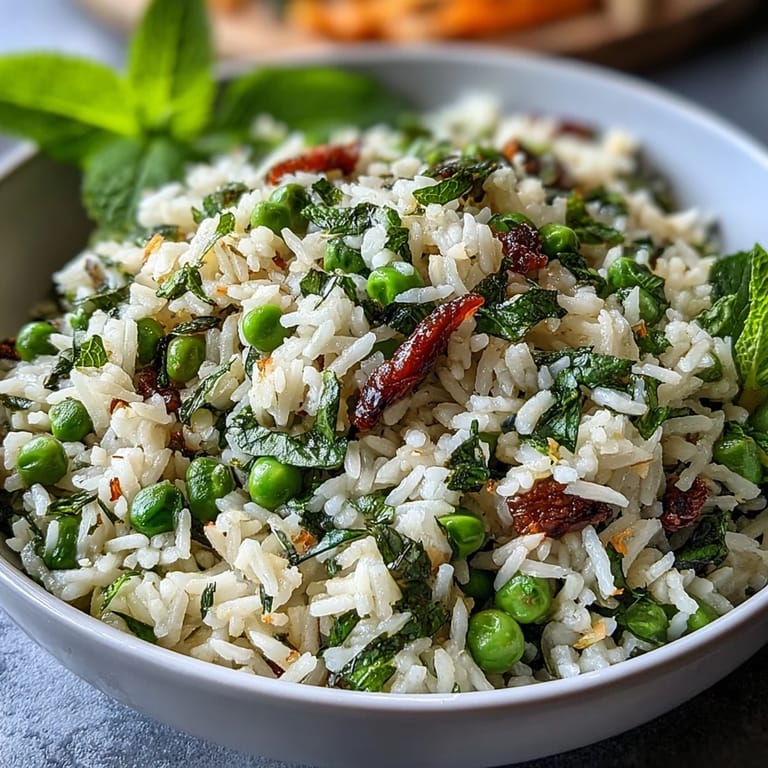
Save My favorite moment with this pilaf happened at a Sunday dinner when my neighbor tasted it and immediately asked if there was meat hidden somewhere, because it felt too satisfying to be just rice and vegetables. That question made me realize that bright, thoughtful seasoning and quality ingredients can make something humble feel genuinely special.
The Secret to Spring-Fresh Flavor
The real magic in this pilaf lives in the combination of mint and lemon working together. Mint brings an herbal freshness that tastes like the season, but without lemon zest to anchor it, the mint can feel one-dimensional. The lemon zest adds a floral brightness that makes the mint pop without introducing the acidity of juice, which would make the rice soggy. Together, they create a flavor that feels lighter and more alive than the sum of their parts.
Make-Ahead and Storage
This pilaf actually keeps beautifully in the refrigerator for up to three days, though the mint is brightest on the day you make it. If you're planning ahead, you can cook everything through step seven, let it cool, and store it in an airtight container. When you're ready to serve, gently reheat it over medium-low heat with a splash of vegetable broth to restore the texture, then stir in the fresh mint, parsley, and lemon zest just before serving.
Ways to Adapt and Play
While this pilaf is perfect as written, it also welcomes gentle variations depending on what's in your kitchen or what you're serving it alongside. Scallions or fresh chives can replace some of the mint if you want a milder herb flavor, or you can add a handful of toasted pine nuts or sliced almonds for texture and richness. Some days I stir in a tablespoon of mascarpone at the end for a creamier version, while other times I use half butter and half good olive oil to keep things lighter.
- For a richer version, use half butter and half extra-virgin olive oil instead of all butter.
- If you're making this for vegans, swap the butter for plant-based butter or use olive oil entirely.
- Add finely chopped fresh dill or tarragon alongside the mint if you want to explore different herb combinations.
 Save
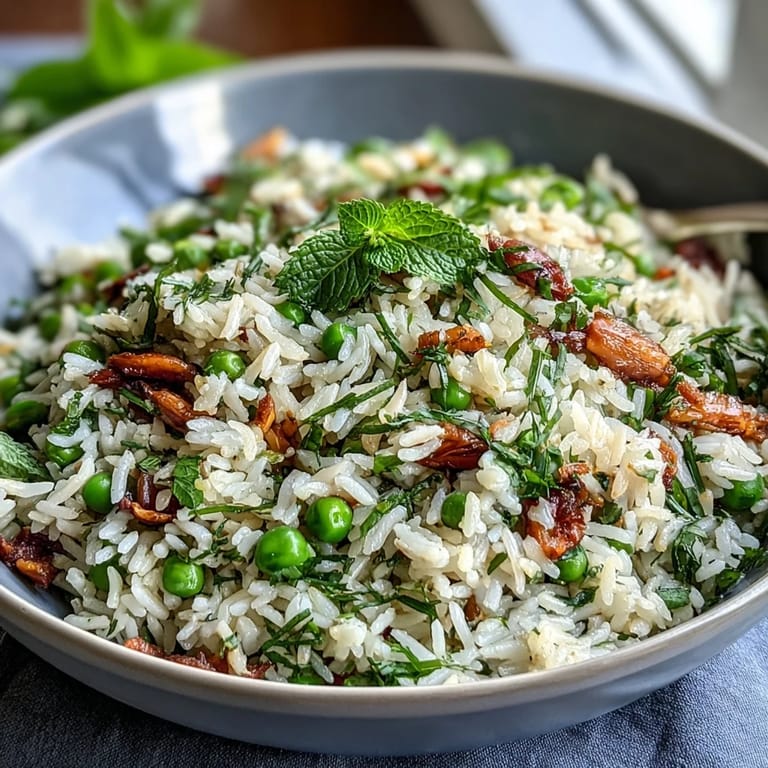
Save This pilaf has quietly become one of my most-requested sides because it proves that simplicity, when built on good ingredients and careful technique, tastes like thoughtfulness. Make it once and you'll understand why it deserves a permanent place at your table.
Recipe FAQs
- → Can I use frozen peas instead of fresh?
Yes, frozen peas can be added directly during the last cooking stage without thawing, maintaining their sweetness and texture.
- → What types of rice work best for this pilaf?
Long-grain varieties like basmati or jasmine provide a fluffy, separate texture perfect for this dish.
- → How can I make this dish vegan-friendly?
Substitute the butter with plant-based alternatives or olive oil to keep it vegan while retaining richness.
- → Is it necessary to rinse the rice before cooking?
Rinsing removes excess starch, helping the grains stay separate and preventing clumping during cooking.
- → Can I prepare this pilaf ahead of time?
Yes, it reheats well with a splash of broth to restore moisture, making it convenient for meal prep.