 Save
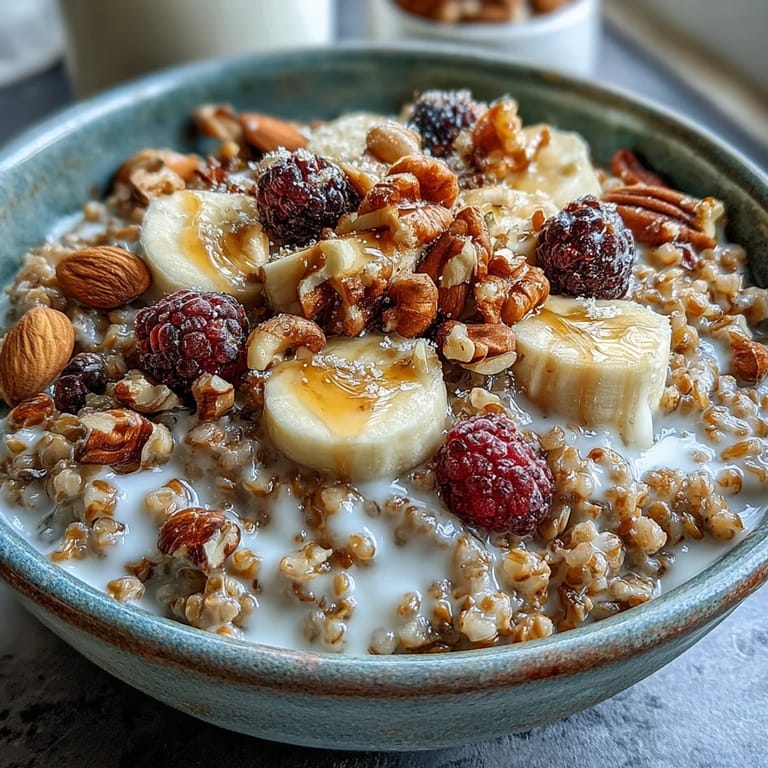
Save One quiet Tuesday morning, I was standing in my kitchen staring at a bag of buckwheat groats I'd impulse-bought at the farmer's market, wondering what on earth to do with them. My usual oatmeal routine felt tired, and I needed something that didn't taste like I was forcing nutrition down my throat before sunrise. Twenty minutes later, I had a warm bowl of nutty, tender grains topped with fresh berries and almonds, and suddenly my whole day felt lighter. That simple bowl taught me that breakfast doesn't need to be complicated to feel like a real meal.
I made this for my sister during one of her surprise visits, and I remember her looking genuinely surprised at how good something so simple could be. She kept asking if buckwheat was hard to find or expensive, and when I showed her the price tag, she started making it every other morning. That's when I realized this wasn't just a recipe I liked, it was the kind of breakfast that quietly changes how people eat when they're busy.
Ingredients
- Buckwheat groats (raw, hulled): These little triangular kernels are packed with protein and have an almost subtle nuttiness that develops when they cook, nothing like regular oats.
- Water: Use filtered if you can, as it makes a small difference in how clean the final flavor tastes.
- Salt: Just a pinch, but it's crucial for drawing out that natural nutty flavor rather than masking it.
- Mixed nuts (almonds, walnuts, pecans): The crunch is essential here, so chop them roughly by hand to keep some larger pieces that don't disappear into the grain.
- Fresh fruit: Whatever looks good that morning works, though berries add brightness and sliced pears bring a subtle sweetness that plays nicely with the earthiness.
- Honey or maple syrup: Keep it optional and drizzle lightly, the natural sweetness of fruit usually does the heavy lifting.
- Ground cinnamon: A half teaspoon seems small until you smell it hitting the warm grain, then you understand why it belongs here.
- Milk or plant-based milk: This is your safety net if you want it creamier, though the grain stands up beautifully on its own.
Tired of Takeout? 🥡
Get 10 meals you can make faster than delivery arrives. Seriously.
One email. No spam. Unsubscribe anytime.
Instructions
- Rinse your groats:
- Run them under cold water and swish them around with your fingers, you'll notice the water getting a bit cloudy and that's exactly what you want. This step removes dust and any bitterness hiding in there.
- Start the simmer:
- Combine the rinsed groats with water and salt in your saucepan, bring it to a boil where you can see it's actually doing something, then turn the heat down so it's just bubbling gently. Cover it and let time do the work.
- Watch for tenderness:
- Around the 10 to 12 minute mark, lift the lid and test a single grain between your teeth, it should be soft but still have a tiny bit of structure. You're not looking for mushy here.
- Let it rest:
- Once the water's absorbed, cover it for five minutes so the grains can finish softening and settle into themselves. Then fluff it gently with a fork like you're waking it up.
- Build your bowl:
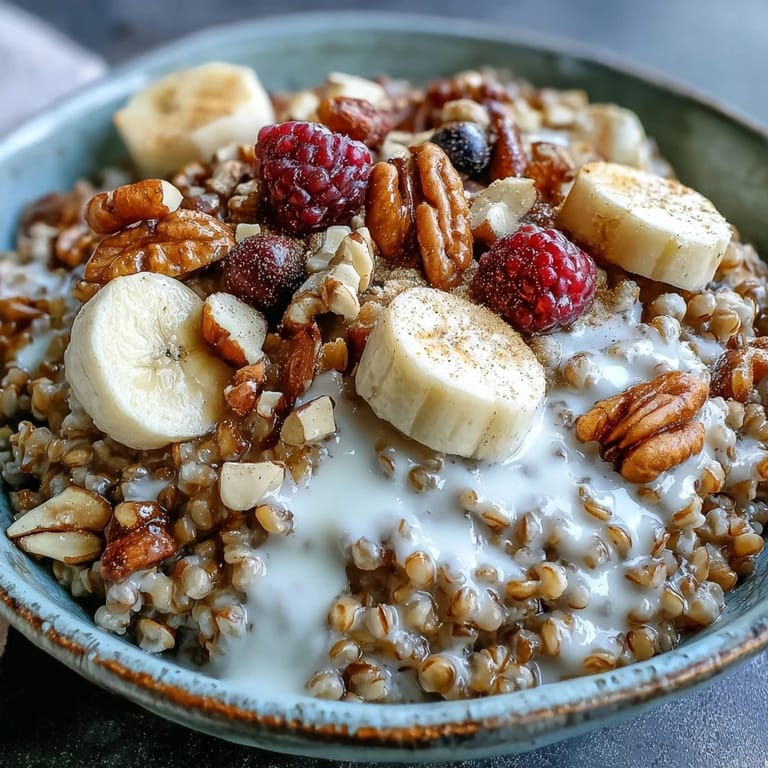
- Divide the warm buckwheat between two bowls, then scatter nuts and fruit on top as generously as you like. The warm grain will soften the fruit slightly while keeping the nuts crunchy.
- Finish with sweetness and warmth:
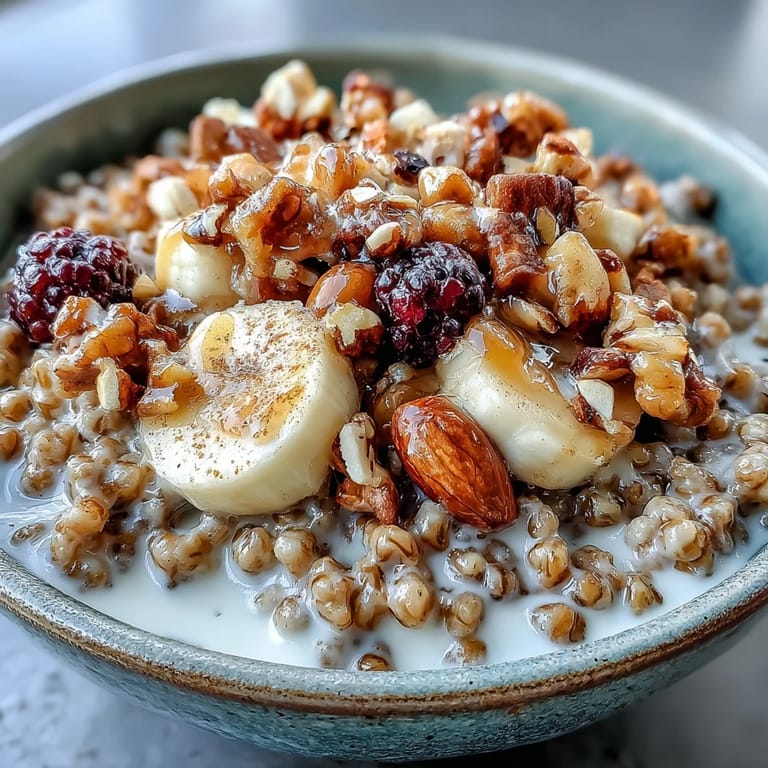
- Drizzle a thin ribbon of honey or maple syrup if you want it, sprinkle the cinnamon so you can smell it, and pour milk around the sides if you like it creamy. Serve it immediately while everything is still warm.
 Save
Save I think the moment this breakfast became sacred to me was when my neighbor, who usually eats the same thing every single day out of habit, asked for the recipe after tasting a bowl. There's something about feeding someone something nourishing that tastes like actual food, not obligation, that creates a small connection over the kitchen counter.
Roasted Versus Raw, and Why It Matters
Most people don't realize there's a choice here, and that's a shame because it completely changes the experience. Raw buckwheat has a bright, clean flavor that lets everything else shine through, while roasted buckwheat (sometimes labeled kasha) comes with this warm, almost earthy depth that feels more like comfort food. I keep both on hand depending on my mood and what fruit I'm topping it with, and I've noticed friends always prefer one or the other pretty consistently.
Making It Your Own Without Losing What Works
The beauty of this recipe is that it's flexible enough to adapt to what you have without becoming something completely different. I've added chia seeds for extra nutrition on mornings when I know I'll be running around, stirred in a spoonful of almond butter for richness, and even swapped maple syrup for a drizzle of tahini when I was out of everything sweet. The grain stays grounded while everything else shifts around it.
Leftovers and Make-Ahead Wisdom
Cooked buckwheat keeps in the fridge for several days, which means you can actually prepare ahead without everything tasting stale or gluey the next morning. I usually reheat mine gently with a splash of milk and a pinch more salt, and it comes back to life like nothing happened. The toppings should always be added fresh though, nuts can get soft and fruit can weep into the grain if you're not careful.
- Store cooked buckwheat in an airtight container and it'll keep for up to four days without any strange flavors developing.
- If you're meal prepping, cook the grain and keep toppings in separate containers so you can assemble fresh bowls all week.
- Cold buckwheat works in a pinch if you're in a real rush, though it loses some of that comforting warmth that makes mornings feel intentional.
 Save
Save This breakfast has become the kind of thing I make when I want to feel like I'm taking care of myself, no apologies needed for something this simple being this satisfying. Start your morning with a warm bowl and you'll understand why.
Recipe FAQs
- → What do buckwheat groats taste like?
Buckwheat groats have a mild, earthy flavor with subtle nutty undertones. When cooked, they become tender yet maintain a pleasant slight chew, similar to oatmeal but with a more robust taste profile that pairs wonderfully with both sweet and savory toppings.
- → Do I need to soak buckwheat groats before cooking?
While soaking isn't strictly necessary, rinsing the groats thoroughly under cold water helps remove any debris and ensures a cleaner taste. If you prefer a softer texture, you can soak them overnight, which will slightly reduce cooking time.
- → Can I make this breakfast ahead of time?
Absolutely! Cooked buckwheat groats refrigerate beautifully for up to 5 days. Store in an airtight container and reheat with a splash of milk or water. You can also prepare individual portions in jars for convenient grab-and-go breakfasts throughout the week.
- → Is this breakfast suitable for a gluten-free diet?
Yes, buckwheat is naturally gluten-free despite its name, making it an excellent choice for those avoiding gluten. However, always check labels to ensure your buckwheat hasn't been processed in facilities that handle wheat products if you have severe sensitivities.
- → What toppings work well with buckwheat groats?
Beyond fresh fruit and nuts, try adding chia seeds, flaxseeds, shredded coconut, or a dollop of yogurt. For extra protein, a scoop of nut butter or a sprinkle of hemp seeds works beautifully. In colder months, warm spices like cardamom or nutmeg add lovely depth.