 Save
Save My sister called me three weeks before her birthday asking if I could make something special—something that felt like spring in edible form. I'd been eyeing mini layer cakes for months, thinking they were too fussy, too fancy for my kitchen. But standing in the baking aisle that afternoon, surrounded by pastel food coloring and the smell of fresh flowers from the grocery store entrance, I realized this was exactly what she needed: something small, delicate, and entirely her own.
I made these for the first time on a Tuesday evening when my kitchen was chaos—laundry folded on the counter, a half-written grocery list by the sink. But the moment I pulled that sheet cake from the oven and the kitchen filled with that warm, citrusy vanilla smell, everything else seemed to pause. My daughter wandered in asking what smelled so good, and I let her help me cut out the rounds with the cutter, her small hands pressing down just hard enough.
Ingredients
- All-purpose flour (1 1/4 cups): The base that keeps these cakes tender—don't sift before measuring or you'll end up with dense layers that disappoint.
- Baking powder (1 tsp): Your lift, your rise, your guarantee that these won't sink in the middle.
- Salt (1/4 tsp): A whisper of salt makes the vanilla sing and balances the sweetness.
- Unsalted butter, softened (1/2 cup for cake, 3/4 cup for buttercream): Cold butter won't cream properly, so leave it on the counter for thirty minutes beforehand.
- Granulated sugar (3/4 cup): This feeds the butter and creates the tender crumb that makes people close their eyes when they bite in.
- Eggs, room temperature (2 large): Cold eggs won't incorporate smoothly—warm them by sitting them in hot water for five minutes if you forget.
- Pure vanilla extract (1 tsp cake, 1 tsp buttercream): Pure, not imitation, because this is the soul of the whole thing.
- Lemon zest (1/2 tsp): The secret brightness that makes people ask what the flavor is—it's more than vanilla, but they can't quite name it.
- Whole milk, room temperature (1/2 cup cake, 1–2 tbsp buttercream): Temperature matters here because you're alternating wet and dry, and cold milk can seize the batter.
- Powdered sugar, sifted (2 cups): Sift it before measuring or your buttercream will be gritty and disappointing.
- Edible flowers (1 cup): Source these from specialty grocers or verified online suppliers—never from a florist unless they explicitly say they're untreated.
Tired of Takeout? 🥡
Get 10 meals you can make faster than delivery arrives. Seriously.
One email. No spam. Unsubscribe anytime.
Instructions
- Heat your oven and prepare:
- Preheat to 350°F and line your baking sheet with parchment paper, pressing it into the corners. A light grease under the parchment prevents any sticking surprises.
- Mix the dry ingredients:
- Whisk flour, baking powder, and salt together in a bowl, making sure everything is evenly distributed. This prevents lumps and ensures even rise.
- Cream butter and sugar:
- Beat the softened butter and sugar for about three minutes until it's pale and fluffy, like clouds you could actually hold. This incorporates air that gives the cakes their tender structure.
- Add eggs one at a time:
- Drop each egg in individually and beat well after each addition so it fully combines. If the mixture looks curdled, don't panic—add a tablespoon of flour and keep going.
- Add vanilla and lemon zest:
- Mix these in now, when the butter mixture is creamed and ready. The zest distributes evenly and brings brightness throughout.
- Alternate wet and dry ingredients:
- Add half the flour mixture, then the milk, then the remaining flour, mixing gently after each addition. This technique prevents overmixing, which would make the cakes tough instead of tender.
- Spread and bake:
- Pour the batter onto your prepared sheet and spread it evenly with an offset spatula. Bake for 18–22 minutes until a toothpick comes out clean and the edges are just starting to pull away slightly.
- Cool completely:
- Let the cake rest on the pan for five minutes, then turn it out onto a cooling rack. This takes patience, but warm cakes fall apart when you cut them.
- Cut cake rounds:
- Using a 2.5–3 inch round cutter, press straight down without twisting to create clean edges. You'll get twelve rounds if you cut thoughtfully and re-roll the scraps gently.
- Make the buttercream:
- Beat softened butter until creamy, then gradually add sifted powdered sugar, vanilla, and salt. Add milk one tablespoon at a time until you reach a spreadable consistency—thick but not stiff.
- Tint if desired:
- Add pastel food coloring drop by drop, mixing well between additions. Pastels feel spring-like, but this is your canvas.
- Assemble each cake:
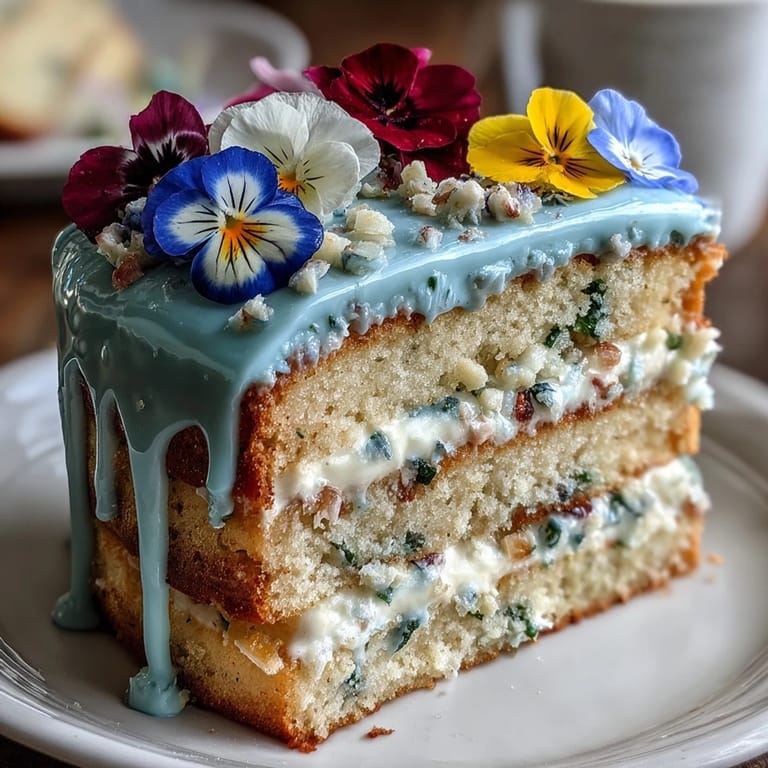
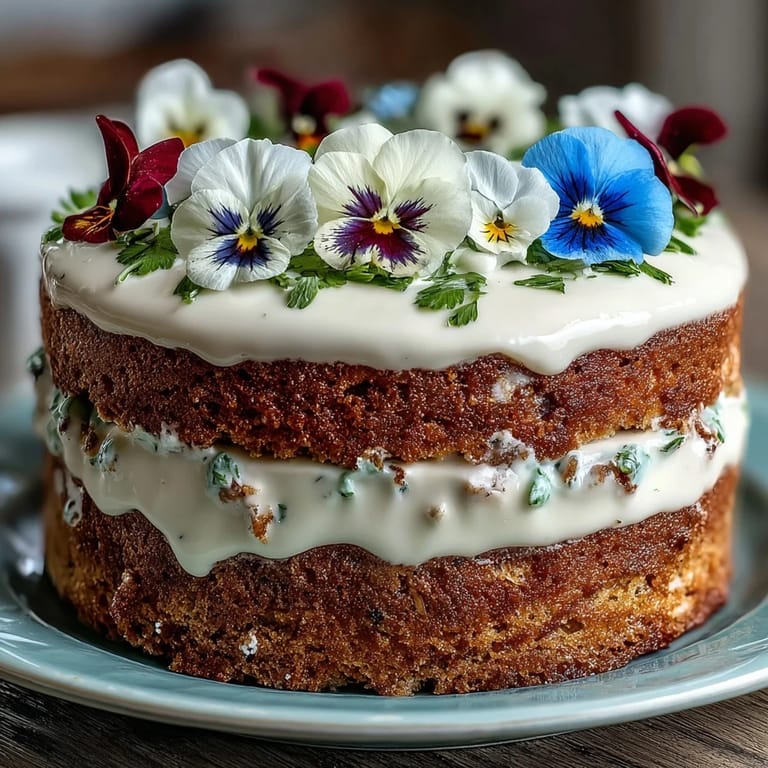
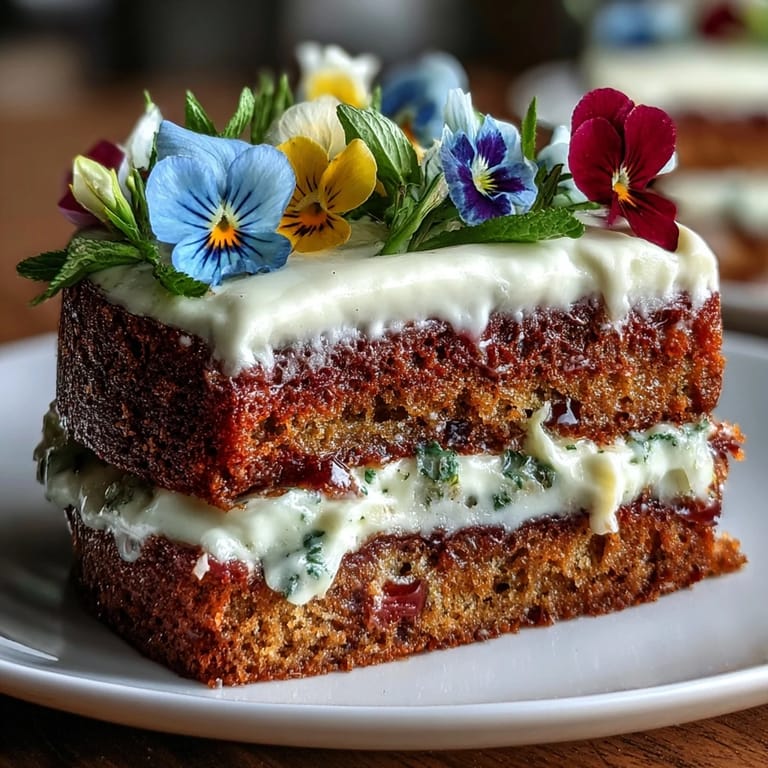
- Place one cake round on your serving plate, spread with buttercream, top with another round, and add a thin layer of buttercream between them. The two-layer structure is sturdy enough to hold the flowers.
- Decorate with flowers:
- Arrange edible flowers on top with tweezers if you have them, or careful fingertips if you don't. A few flowers clustered to one side looks more natural than scattered across the top.
- Chill before serving:
- Fifteen minutes in the refrigerator sets everything and makes the texture perfect. This also gives you time to take a breath and admire what you've made.
 Save
Save When I finally made these for my sister's party, she stood in my kitchen holding one of the mini cakes up to the light, watching how the flowers seemed to float on the buttercream. She didn't eat it right away—she just looked at it, and that moment felt bigger than the actual baking. That's when I understood these cakes weren't about technique or perfection; they were about saying "I made something beautiful because you matter."
The Science of Tender Cake
The reason these cakes stay so moist comes down to the ratio of fat to flour and the way you incorporate the wet and dry ingredients. When you alternate additions instead of dumping everything together, the flour particles get coated with butter and milk before they fully hydrate, which prevents gluten development and keeps things tender. I learned this the hard way after making dense, crumbly cakes twice before understanding that technique matters as much as ingredients.
Sourcing and Preparing Edible Flowers
Finding edible flowers felt like a treasure hunt at first—I checked three grocery stores before landing at a specialty market that had pansies and violas. The florist at the regular grocery store was helpful but honest: she said her flowers came treated with preservatives not meant for eating. Once you find a good source, store them in the refrigerator on a damp paper towel inside a sealed container; they'll keep for up to five days. Pat them gently dry with a paper towel just before placing them on the cakes so they don't slip on the buttercream.
Making These Cakes Your Own
These mini cakes are a canvas for your creativity and the seasons you're celebrating. The vanilla-lemon combination is delicate and spring-appropriate, but you could swap the lemon for lavender extract, or add a touch of rose water to the buttercream. Some people brush a light citrus syrup on the cake rounds before assembly to add extra moisture and flavor—a game-changer if you're making these ahead of time. You could even crumble leftover cake scraps into the buttercream to make cake pops for a second dessert that uses nothing.
- Try tinting the buttercream in multiple pastel shades and piping different colors on each cake for a rainbow effect.
- If edible flowers aren't available, candied fruit, edible gold leaf, or even fresh herb sprigs work beautifully as decoration.
- Make these up to two days ahead, wrap them gently in plastic wrap, and refrigerate until thirty minutes before serving for the best flavor and texture.
 Save
Save These cakes teach you that celebration doesn't have to be complicated—it just has to be made with intention and a little bit of beauty. Make them, and you'll understand why someone's face lights up when they see something delicate and colorful created just for them.
Recipe FAQs
- → What edible flowers work best for decorating these cakes?
Violas, pansies, and nasturtiums are great options; ensure they are food-safe and pesticide-free for safe use.
- → Can I tint the buttercream without affecting taste?
Yes, pastel food coloring adds festive hues while keeping the classic vanilla flavor intact.
- → Is it necessary to chill the cakes before serving?
Chilling for about 15 minutes helps set the buttercream, ensuring cleaner slices and better texture.
- → How can I enhance the cake layers’ flavor?
Brushing layers with citrus syrup before assembly adds a refreshing, zesty note to balance sweetness.
- → What tools are recommended for shaping these mini cakes?
A 2.5–3 inch round cookie cutter works best for uniform mini layers, aiding neat assembly and decoration.
- → Can leftover cake scraps be reused?
Yes, scraps can be repurposed for cake pops or other creative treats to reduce waste.