 Save
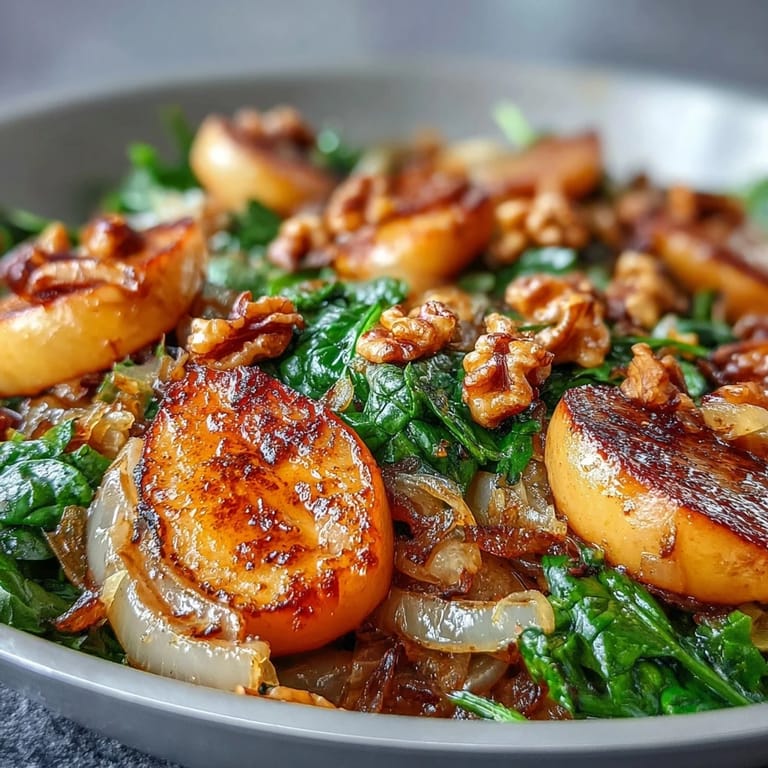
Save My neighbor Sarah handed me a jar of her homemade sauerkraut one autumn afternoon, insisting I do something interesting with it beyond the usual sausage pairing. That evening, I found myself rummaging through my fruit bowl, spotting two apples that were about to turn soft, and something clicked. The moment I tasted that first forkful—the sweetness of caramelized apples meeting the sharp, funky brine of fermented cabbage—I realized this wasn't a side dish at all. It was a conversation between flavors I didn't know wanted to talk to each other.
I made this for my sister's book club gathering, where someone was always complaining about "boring salads," and watching her take a second helping while debating whether it was sweet or savory felt like winning an argument I didn't know I was having. Three people asked for the recipe before dessert was served, which, in my experience, means you've done something right.
Ingredients
- 2 large apples (Honeycrisp or Gala): Their natural sweetness intensifies when caramelized, creating a jammy depth that balances the fermented tang; I core them but leave the skin for texture and nutrients.
- 1 small red onion: Thinly sliced red onions mellow into something almost sweet as they cook, their color bleeding into the apples and making the whole thing look intentional.
- 2 cups sauerkraut, drained: Don't skip the draining step or your skillet becomes a soggy mess; quality matters here since it's the star, not a supporting player.
- 2 cups baby spinach or arugula: These wilt just enough from residual heat to add greenery without becoming mushy or bitter.
- 2 tbsp olive oil or unsalted butter: Butter creates more caramelization magic if you're not vegan, but olive oil works beautifully and keeps things lighter.
- 1/4 tsp freshly ground black pepper and sea salt: Grind the pepper fresh—pre-ground loses its punch and this dish deserves brightness.
- 1/4 tsp ground caraway seeds (optional): This is the secret whisper that ties sauerkraut back to its German roots; include it if you want to lean into tradition.
- 1 tsp honey or maple syrup: A touch of sweetness rounds out the fermented edge without making this taste like dessert.
- 1/4 cup toasted walnuts or pecans, chopped: The crunch is non-negotiable; it gives your teeth something to do and your tongue a buttery contrast.
- 2 tbsp fresh parsley: Fresh herbs added at the end preserve that just-picked brightness that makes everything taste more alive.
Tired of Takeout? 🥡
Get 10 meals you can make faster than delivery arrives. Seriously.
One email. No spam. Unsubscribe anytime.
Instructions
- Get your skillet warm and welcoming:
- Heat olive oil or butter over medium heat until it shimmers and smells almost nutty; this only takes a minute or two, but it matters because it's what turns apples golden instead of steamed.
- Caramelize the apples and onions:
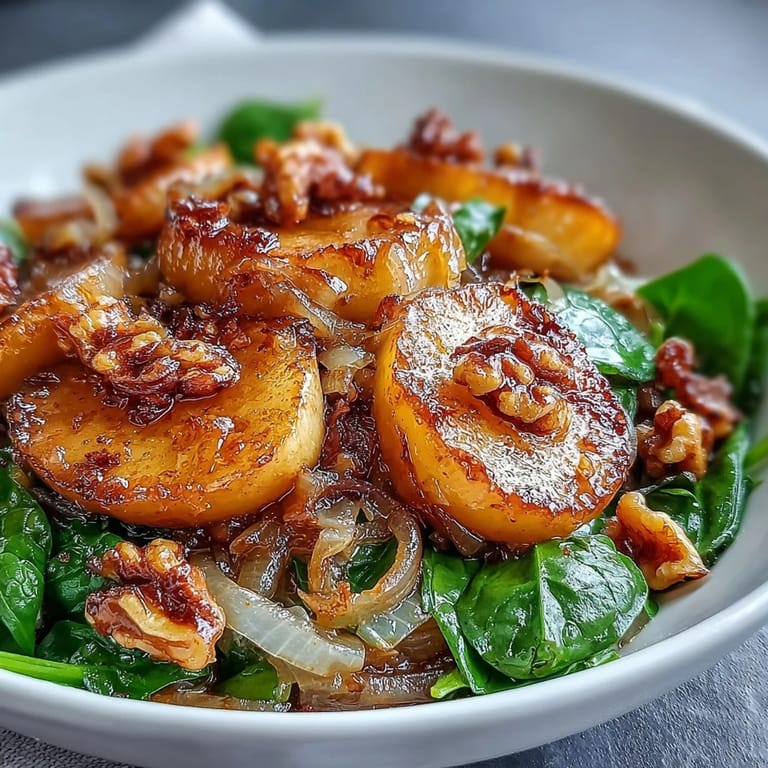
- Add your sliced apples and red onion, stirring occasionally for 6 to 8 minutes while they soften and develop golden edges—this is where the magic happens, so don't rush it or wander away. You'll know it's ready when you can press an apple slice gently with your spoon and it gives way.
- Add sweetness and spice:
- Drizzle in your honey or maple syrup, scatter the caraway seeds if using them, and season with salt and pepper, stirring gently to coat everything evenly. One more minute of cooking melds these flavors into the apples rather than sitting on top as an afterthought.
- Bring in the sauerkraut:
- Lower the heat to medium-low and fold in your drained sauerkraut, warming it through for 2 to 3 minutes just until it stops being cold—you're not trying to cook it further, just integrate it into the warmth. Stir occasionally so nothing sticks to the bottom.
- Wilt the greens:
- Remove from heat and gently toss in your spinach or arugula, letting the residual warmth soften it without destroying its shape or brightness. The carry-over heat does all the work here.
- Finish with flourish:
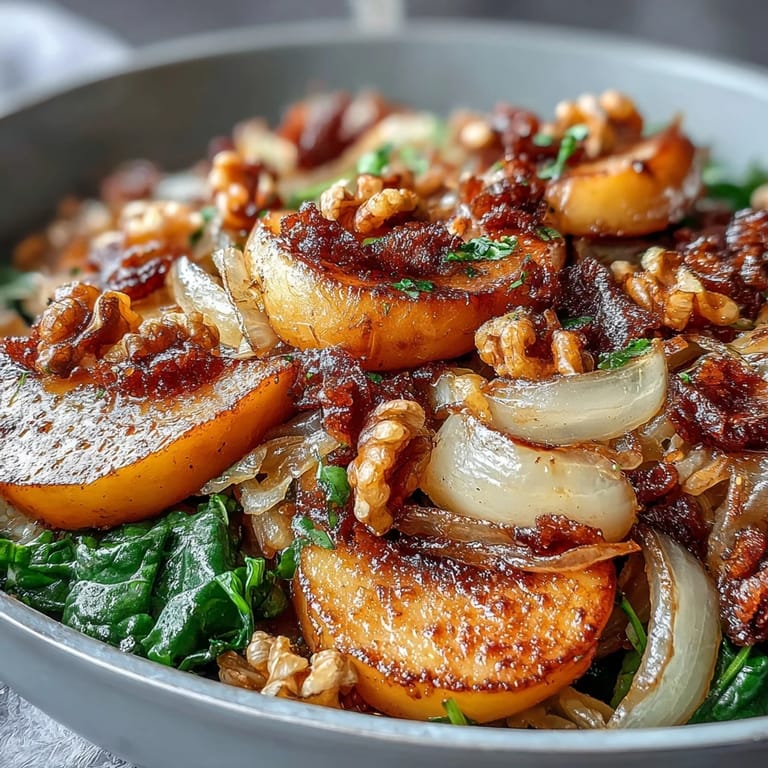
- Transfer everything to a serving platter or divide among plates, then scatter your toasted nuts and fresh parsley over top. This moment of garnishing is where you transform a skillet meal into something that looks like you meant it.
- Serve with intention:
- Eat it warm if you want maximum comfort, or let it cool to room temperature for a different kind of pleasure entirely. Both versions are equally valid depending on your mood.
 Save
Save 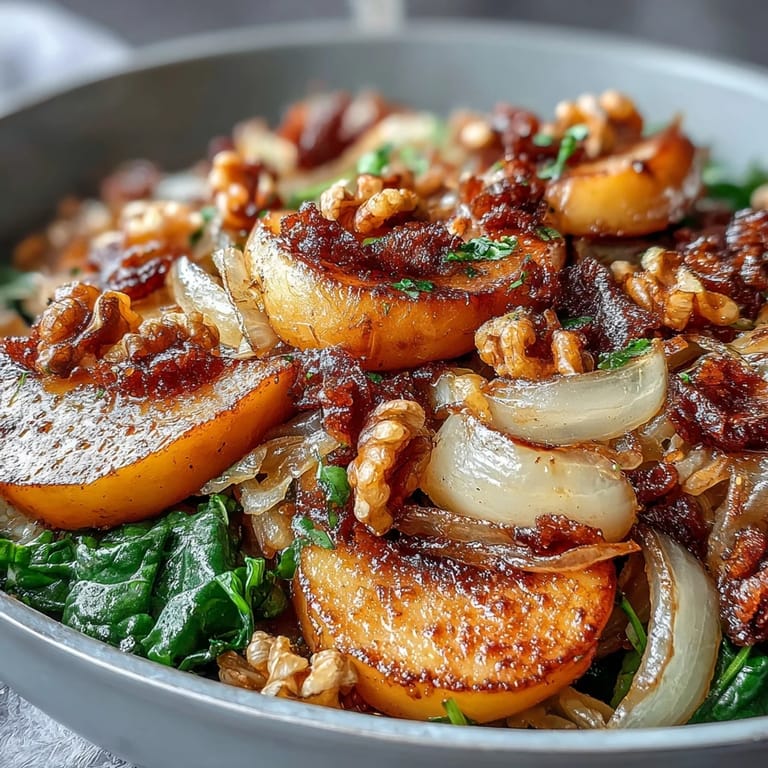 Save
Save There's a moment when someone takes their first bite and their eyebrows do that thing where they go up slightly because they weren't expecting it to taste this good—that's when you know a recipe has become more than instructions. This dish has that power, that ability to surprise people into understanding that food doesn't have to fit into obvious categories to feel right.
Why This Combination Works
Fermented foods and sweet fruits have been paired for centuries, but we've somehow forgotten that outside of cranberry sauce and the occasional apple-cabbage slaw. The sauerkraut's funky, sour depth gives the apples a reason to exist beyond sweetness, while the apples soften the aggressive tang of fermentation into something almost elegant. Adding spinach or arugula creates textural contrast without competing for attention—they're supporting players who know their role and execute it perfectly.
Making It Your Own
This recipe isn't precious about substitutions, which is part of what makes it so useful. I've made it with pears instead of apples when apples weren't appealing, and with torn kale when spinach felt too delicate for the occasion. The core principle—warm, sweet fruit meeting fermented cabbage and balanced by greens and nuts—stays intact regardless of which version you're working with, so trust your instincts about what sounds good in your kitchen right now.
Serving and Pairing Ideas
On its own, this serves as a light lunch, especially alongside a wedge of sharp cheddar or creamy goat cheese and some sourdough bread. With roast pork or sausages, it becomes the elegant side dish that makes people think you spent all afternoon in the kitchen when really you spent 25 minutes and mostly just stirred things. For brunch, heap it onto a plate with a soft egg on top and suddenly you have something that feels intentional and nourishing rather than thrown-together.
- Add a splash of apple cider vinegar at the very end if you want to punch up the brightness.
- Try this warm over a grain bowl with farro or quinoa for a complete meal that feels lighter than it is.
- Leftovers taste different and equally delicious the next day, either reheated gently or straight from the refrigerator as a cold salad.
 Save
Save  Save
Save Every time I make this, I'm reminded that the best recipes are the ones that feel like a conversation between ingredients rather than a list of commands. This one tastes like autumn decided to dance with something tangy and unexpected, and somehow it works.
Recipe FAQs
- → Can I use different apple varieties?
Yes, Honeycrisp and Gala work best for their sweet-tart balance and firm texture, but Granny Smith or Fuji apples are excellent alternatives.
- → How do I prevent the sauerkraut from becoming too salty?
Drain and rinse the sauerkraut thoroughly before adding it to the skillet, and adjust the added salt accordingly after tasting.
- → Can this be made ahead of time?
It's best served fresh and warm, but you can prepare components separately and assemble just before serving. Reheat gently to maintain texture.
- → What can I substitute for walnuts?
Toasted pecans, almonds, or pumpkin seeds work wonderfully. For nut-free versions, use sunflower seeds or omit entirely.
- → How can I make this dish more filling?
Add cooked quinoa, farro, or serve over a bed of warm grains. You can also top with a fried egg or crumbled goat cheese.
- → What pairs well with this dish?
Excellent alongside roasted pork, grilled sausages, or pan-seared chicken. Also complements hearty grain bowls and winter salads.