 Save
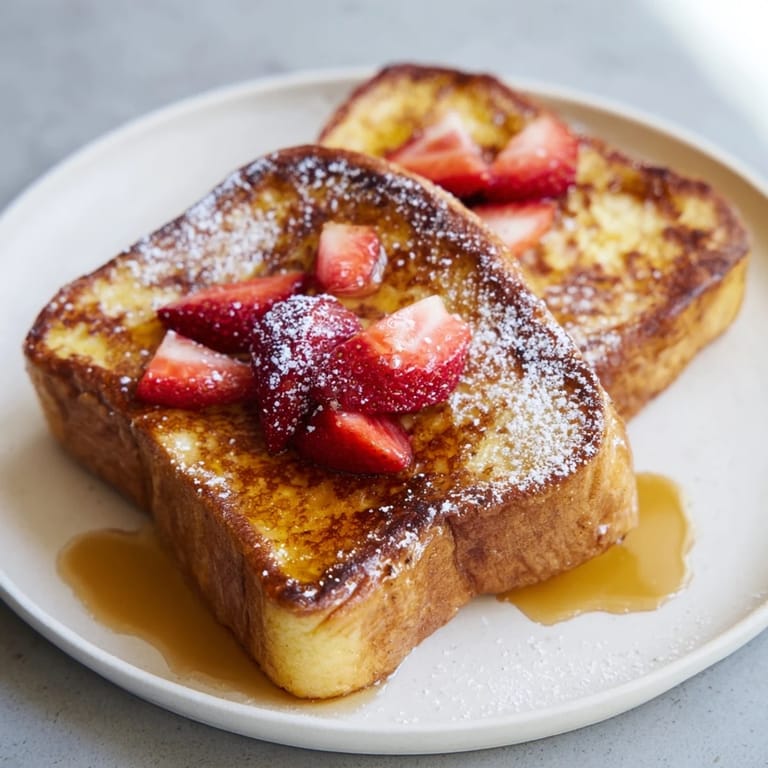
Save The smell of cinnamon hitting warm milk always pulls me back to Saturday mornings at my grandmother's house, where we'd fight over who got the last slice. She swore the secret was letting the bread sit overnight on the counter, something I dismissed as nonsense until I started making it myself in my tiny first apartment. Now I understand she was right about that slightly stale texture being the difference between good French toast and the kind that makes you close your eyes while eating.
Last winter my partner woke up craving comfort food after a terrible week at work, and this was the only thing that made sense. I doubled the cinnamon and let the bread soak longer than usual, watching steam fog up the kitchen windows while coffee brewed. Sometimes the simplest breakfasts become the most meaningful memories, especially when shared across a small table with someone who needed reminding that things would be okay.
Ingredients
- 4 large eggs: Room temperature eggs whisk into a smoother, silkier custard that coats the bread more evenly
- 1 cup whole milk: The fat content matters here, creating that rich, creamy interior that separates French toast from simply eggy bread
- 2 tbsp heavy cream: This optional addition makes the custard feel luxurious and helps the exterior develop a deeper golden color
- 1 tbsp granulated sugar: Just enough to help the browning process and add subtle sweetness without making it dessert
- 1 tsp pure vanilla extract: Don't skip this, it's the aromatic backbone that makes the finished dish taste complete
- 1/2 tsp ground cinnamon: Optional but highly recommended for that classic breakfast spice warmth
- Pinch of salt: Balances the sweetness and highlights all the other flavors
- 8 slices day old bread: Brioche or challah are ideal, but any thick cut bread that's slightly stale will work perfectly
- 2 tbsp unsalted butter: Adds flavor and creates that crispy, buttery crust we all love
Tired of Takeout? 🥡
Get 10 meals you can make faster than delivery arrives. Seriously.
One email. No spam. Unsubscribe anytime.
Instructions
- Whisk the custard base:
- Combine eggs, milk, cream, sugar, vanilla, cinnamon, and salt in a large bowl until completely smooth and no streaks remain
- Warm your pan:
- Melt 1 tablespoon butter in a skillet over medium heat, watching it foam and settle into an even coating
- Soak the bread:
- Dip each slice into the custard for just a few seconds per side, letting it drink up the mixture without turning mushy
- Cook to golden perfection:
- Fry for 2 to 3 minutes on the first side until deep golden brown, then flip carefully and repeat
- Keep warm while you finish:
- Transfer cooked slices to a plate and repeat with remaining bread, adding more butter as needed
 Save
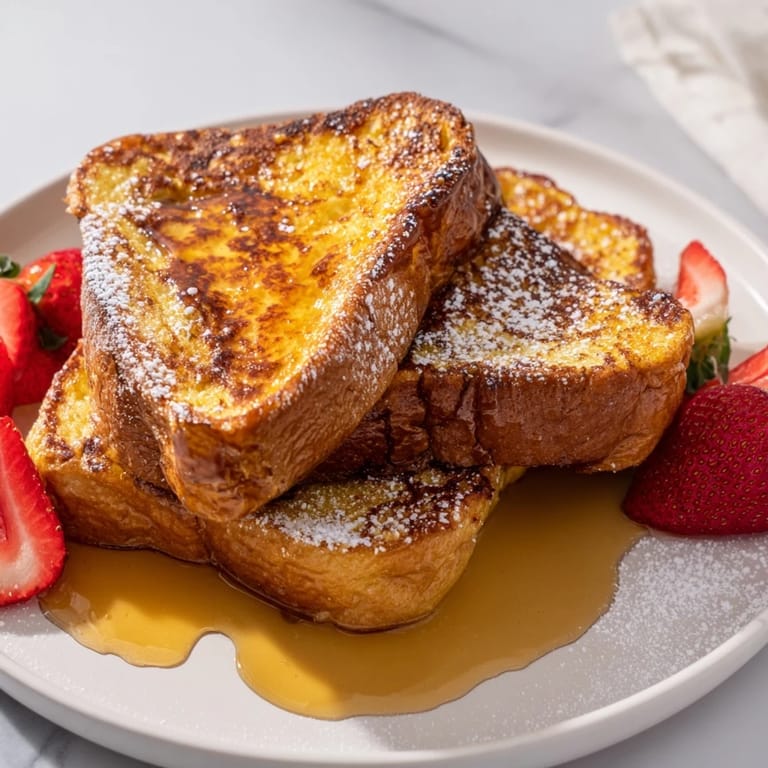
Save My friend's daughter once declared this better than the fancy brunch spot downtown, which I considered the ultimate compliment. The best recipes are often the ones that feel like they've always existed, waiting in your kitchen for the moments that matter most.
Choosing The Right Bread
I've learned through countless weekend experiments that bread choice makes or breaks French toast. Dense, eggy breads like challah and brioche absorb custard beautifully while maintaining structure, but sourdough adds a pleasant tang that cuts through the richness. The key is thickness, aim for slices at least one inch thick to achieve that perfect contrast between crispy exterior and creamy interior.
Customizing Your Flavor
Some mornings I fold orange zest into the custard, especially when citrus season peaks and the air already smells bright. A splash of almond extract instead of vanilla creates something entirely different, while nutmeg swapped for cinnamon feels more like the holidays. The recipe welcomes whatever mood you're in, which is probably why it never gets old.
Serving Suggestions
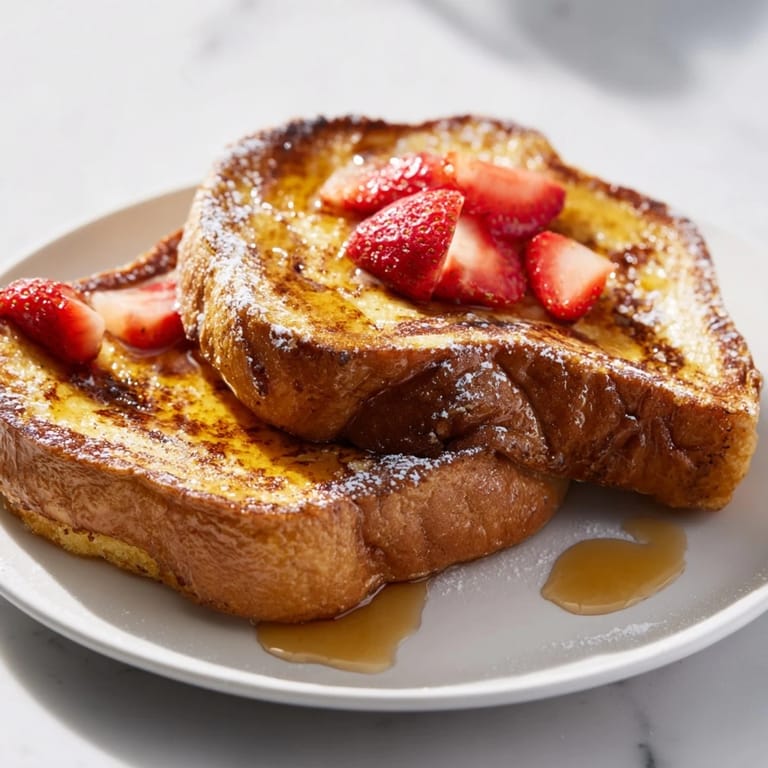
While maple syrup feels nonnegotiable to some, I've grown to love a drizzle of warm honey or fruit compote when berries are in season. Powdered sugar adds that diner style finish and looks beautiful scattered across a platter. The truth is, French toast carries almost anything you want to pile on top.
- Try a dollop of Greek yogurt for extra protein
- Toasted nuts add crunch and keep you full longer
- A squeeze of fresh lemon juice brightens everything
 Save
Save Hope this recipe finds its way into your weekend rotation and creates the kind of mornings worth remembering.
Recipe FAQs
- → Why use day-old bread for French toast?
Day-old or slightly stale bread has a firmer texture that absorbs the egg custard without becoming mushy or falling apart during cooking. The dried structure creates that perfect contrast between crispy edges and soft centers.
- → What's the best bread to use?
Brioche, challah, and thick-cut white bread work beautifully due to their dense, airy structure. These breads soak up the custard evenly while maintaining structural integrity during the frying process.
- → How do I prevent soggy French toast?
Dip each slice quickly for just a few seconds per side. Avoid oversoaking, and cook immediately over medium heat until golden brown. The butter helps create that crispy, caramelized exterior.
- → Can I make this dairy-free?
Absolutely. Substitute whole milk with almond, oat, or soy milk, and use plant-based butter or coconut oil for cooking. The texture remains delicious with these simple swaps.
- → What temperature should I cook at?
Medium heat allows the custard to set while creating an even golden-brown crust. Too high heat burns the exterior before cooking through, while low heat results in pale, soggy slices.
- → How do I store leftovers?
Cool completely and refrigerate in an airtight container for up to 2 days. Reheat in a 350°F oven or toaster oven until crisp and warmed through. Avoid microwaving as it creates a rubbery texture.